SGS-CSTC · Mar 2025
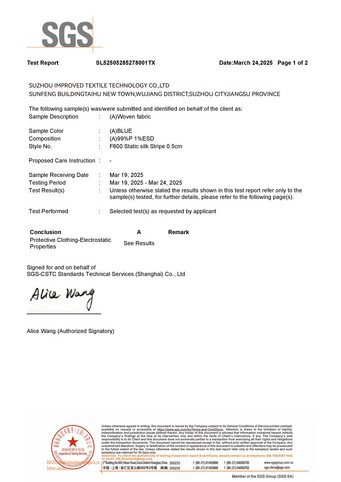
Static silk Stripe 0.5cm (A)BLUE
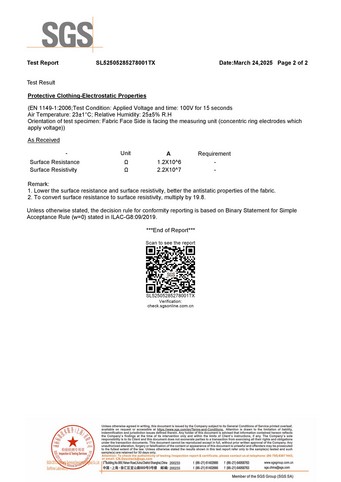
Protective Clothing – Electrostatic Properties (EN 1149-1)
SL52505285278001TX

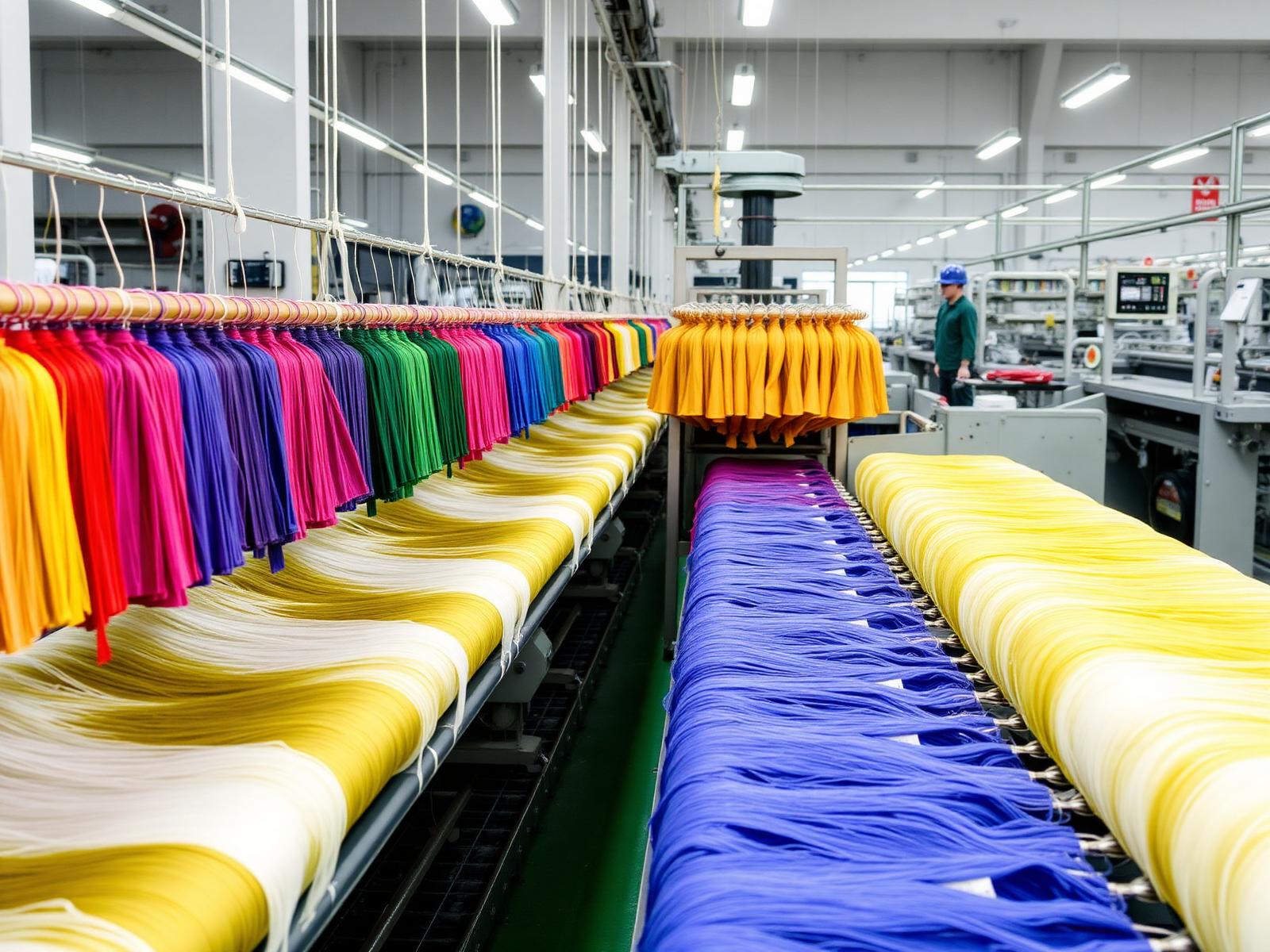
From auxiliaries and dyeing to final inspection, every stage is owned or tightly partnered — so the fabric you receive matches the sample you approved.
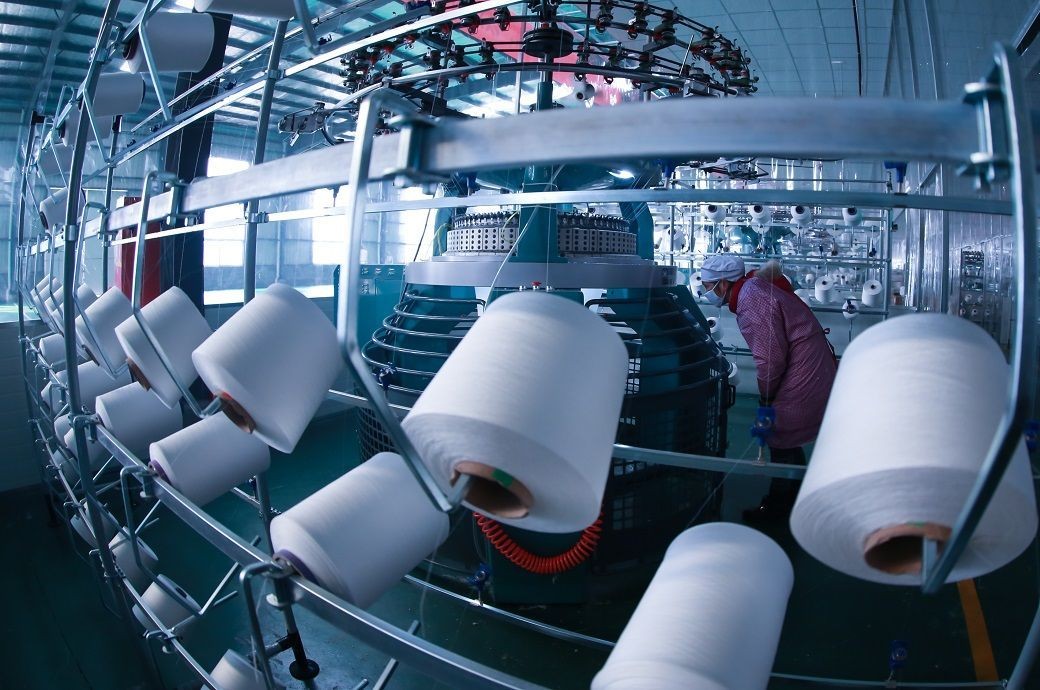
Filament and staple yarns — including N66 reinforcement and GRS-certified recycled polyester — are graded and warped for consistent tension.
High-density looms and circular knitting machines produce base cloth to the target weight, weave pattern and stretch profile.
In-house dyeing lines developed over 10 years, tuned for colorfastness, brightness and reproducibility batch after batch.
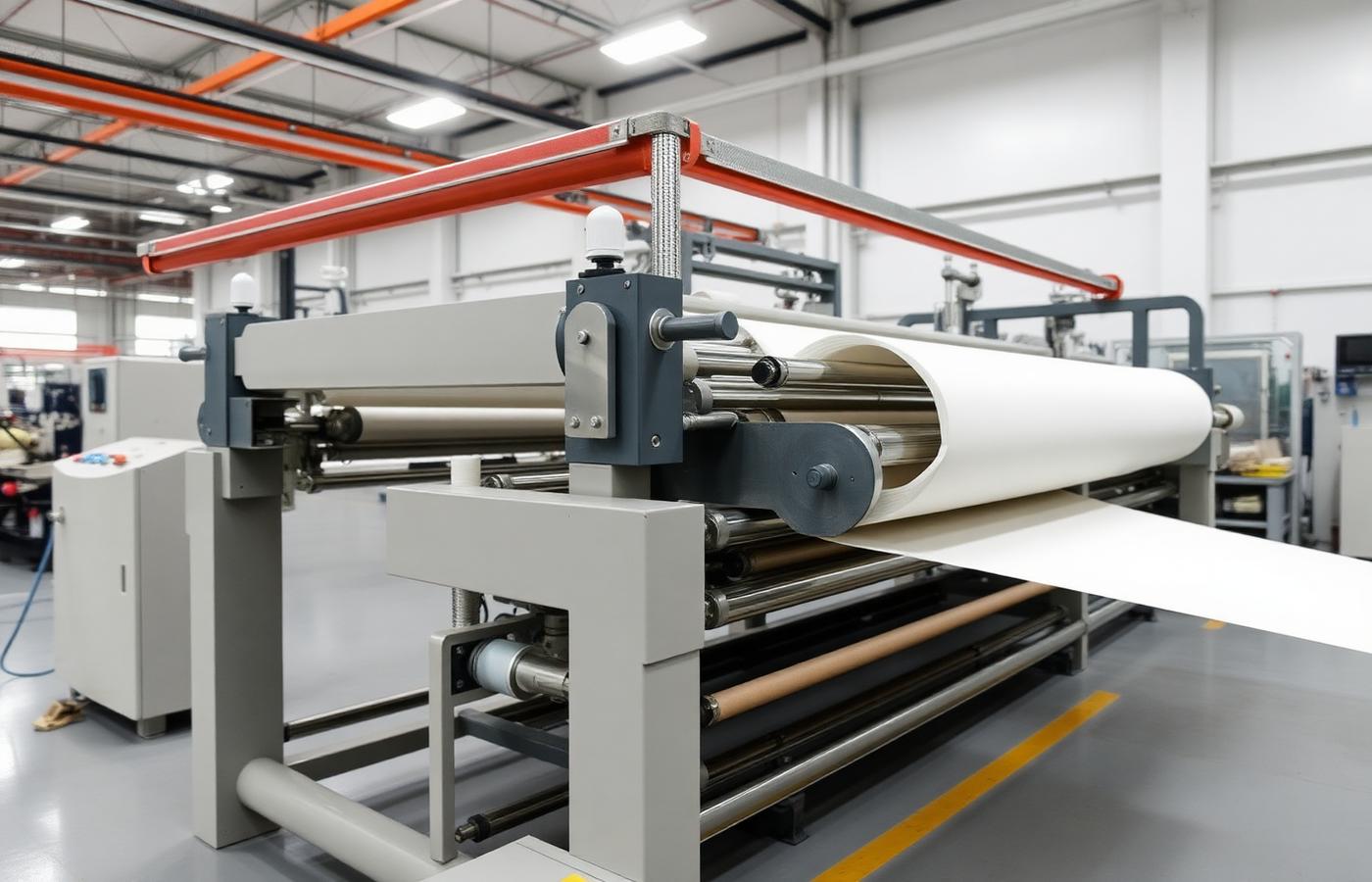
Calendaring, DWR treatments, PU/TPU coatings and laminations deliver waterproof, downproof and technical finishes.

Pretreatment through final inspection — every roll passes full-batch testing for color fastness, durability and technical standards.
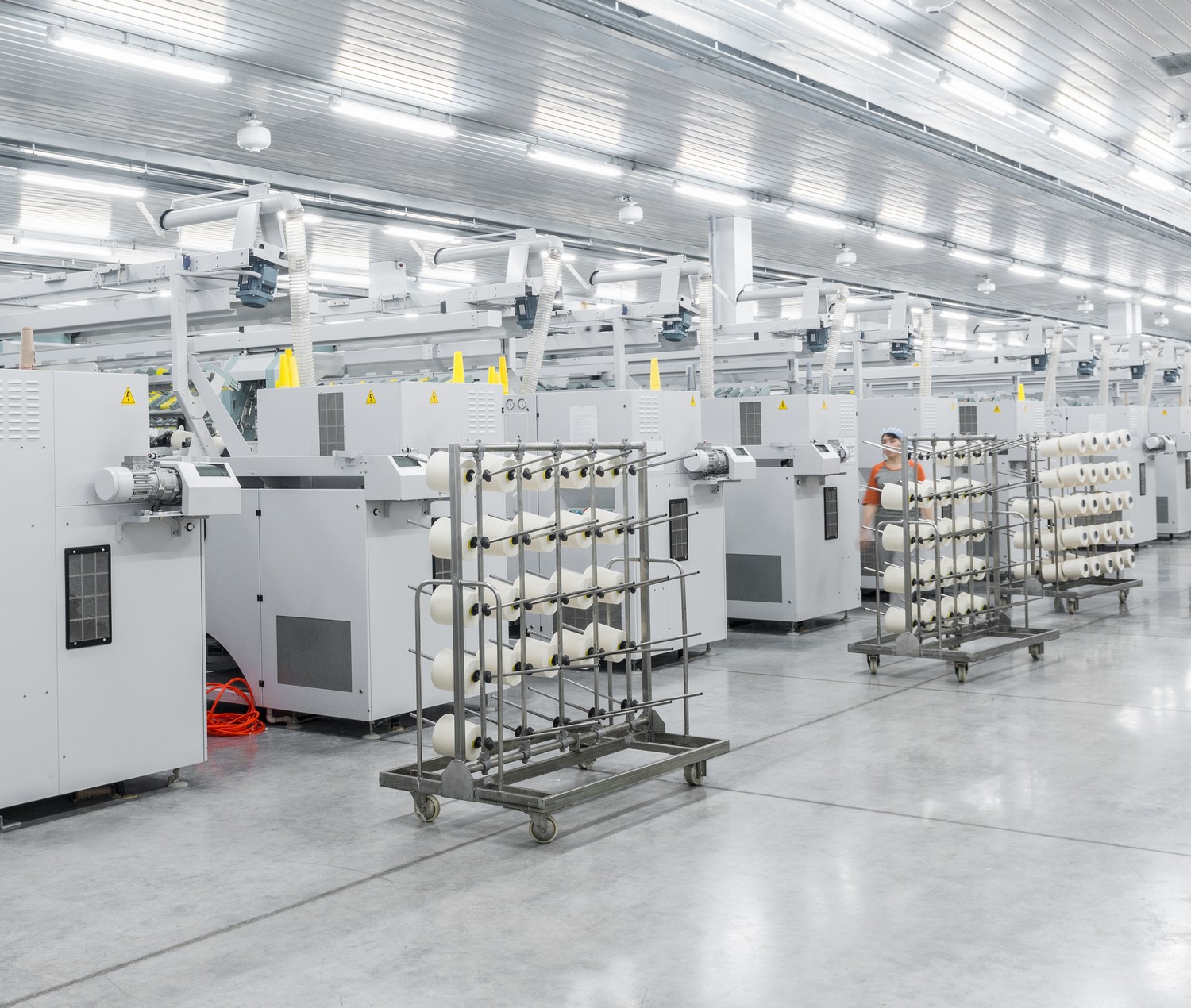
Traceable inventory in Shanghai and Suzhou hubs, ready for global export logistics.
Every technical claim is validated by independent laboratories. Below are actual SGS anti-static test reports issued to our Suzhou mill in 2025.
Protective Clothing – Electrostatic Properties (EN 1149-1)
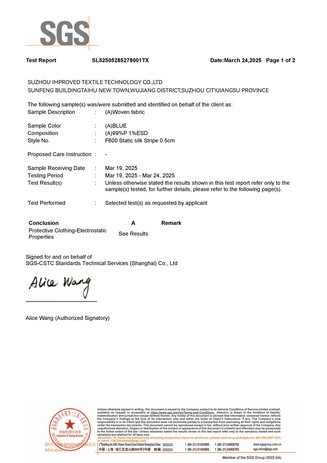
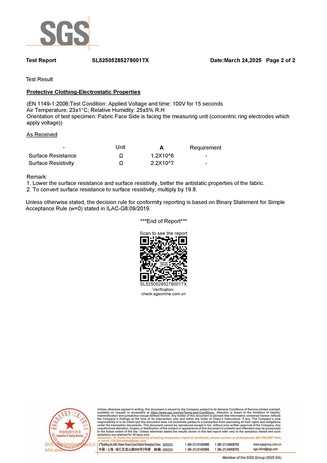
Anti-static test — surface resistance & resistivity

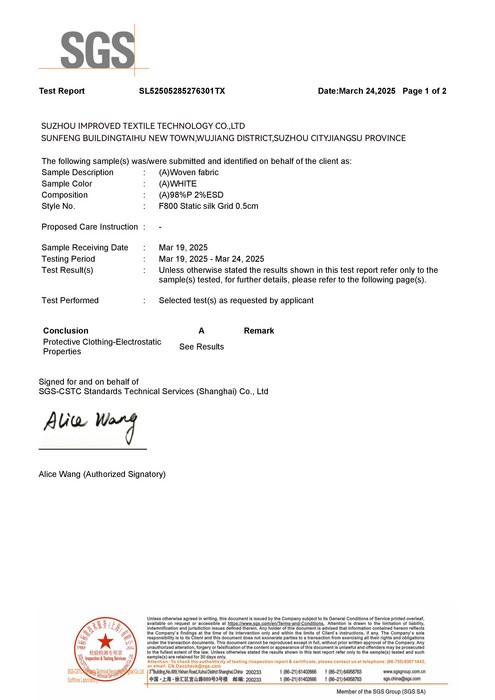
EN 1149-1:2006 · Voltage 100V / 15s
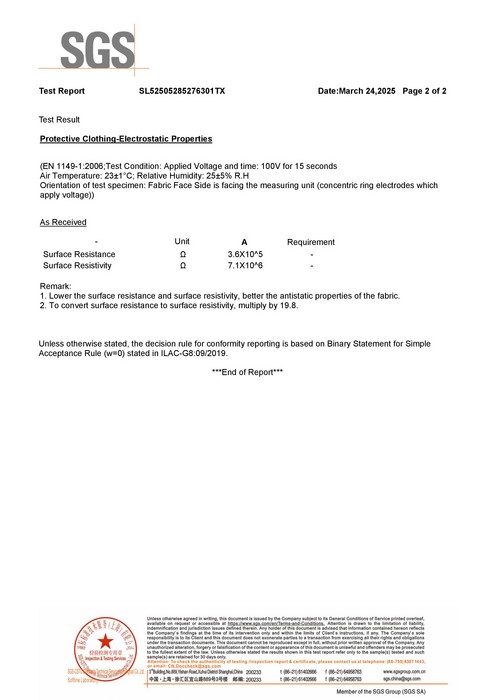
Surface resistance 3.6×10⁵ Ω
Reports issued by SGS-CSTC Standards Technical Services (Shanghai) Co., Ltd. Full copies available on request.